
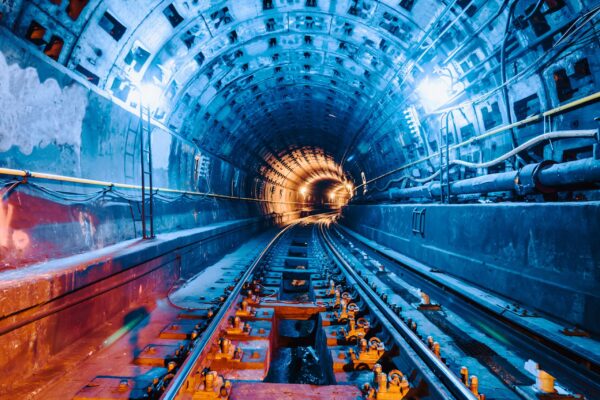
The Channel Tunnel in Kent is an international rail tunnel located near Folkestone on the southeast coast of England, running beneath the English Channel to France. The tunnel forms a fixed transport connection between the United Kingdom and continental Europe. Its geographic placement in Kent is closely related to the shortest crossing point of the Channel near the Strait of Dover.
Geographic Location of the Channel Tunnel in Kent
The Channel Tunnel is in Kent County. The English side is close to Folkestone, and the French side is close to Coquelles in northern France. This place was chosen because the distance between two coasts is short and the ground under the sea is good for tunnel work. The area is part of the bigger Dover Strait region.
Tunnels go under the English Channel sea floor and connect to rail systems on both sides. The Kent side has ways to come to the tunnel, like rail tracks and service places a little inside from the coast. Around the English entrance the land is rolling, and highways and transport lines connect the coast and inside regions together.
Key geographic aspects of the tunnel location
- The tunnel is situated close to Folkestone in southeast Kent.
- The tunnel is situated beneath the seabed of the English Channel.
- The location is in close proximity to the Strait of Dover.
- It is connected to major rail routes in England and Europe.
This strategic placement supports efficient cross–channel movement.
Structure and Engineering Characteristics
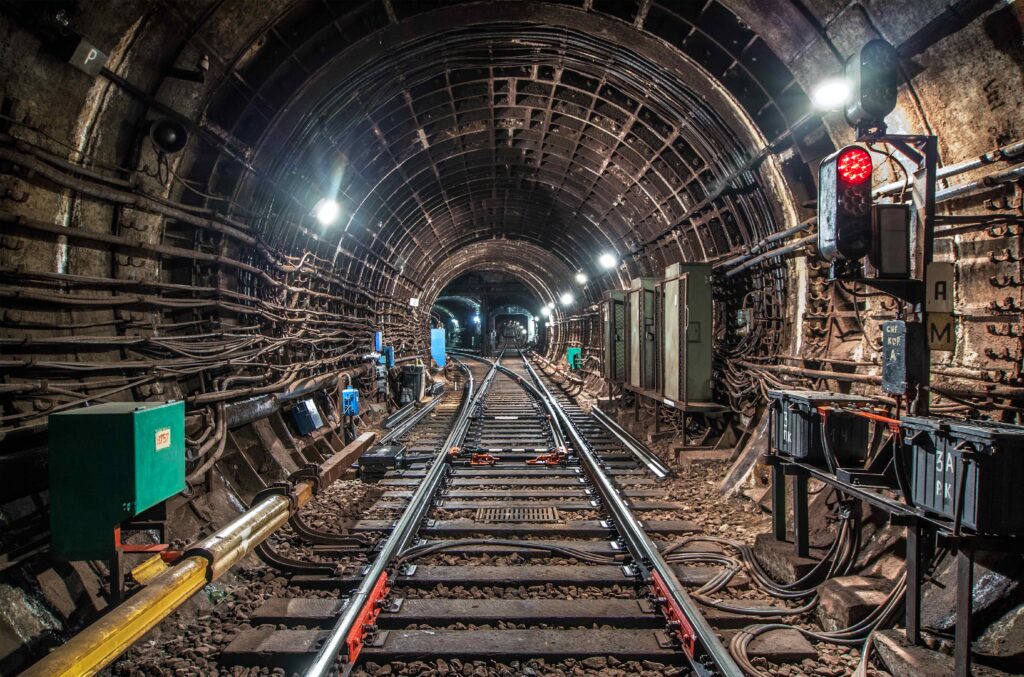
The Channel Tunnel is made from many tunnels side by side for trains and for work and service. Building it needs very careful study of rocks and ground because it is underwater and the pressure is strong. The tunnel goes many kilometers under the sea; it is one of the longest water tunnels in the whole world.
The engineer design has safety things, air shafts, and small service ways. Trains go in their own tunnels, and the middle service tunnel is for maintenance and emergency people. Using chalk marl in the seabed helps keep construction stable and stops too much water from coming in.
Important structural elements include:
- Twin rail tunnels for train movement
- Central service tunnel for maintenance
- Ventilation and safety infrastructure
- Rail terminals on both national sides
These features ensure operational stability and long–term functionality.
Transport Role and Regional Importance
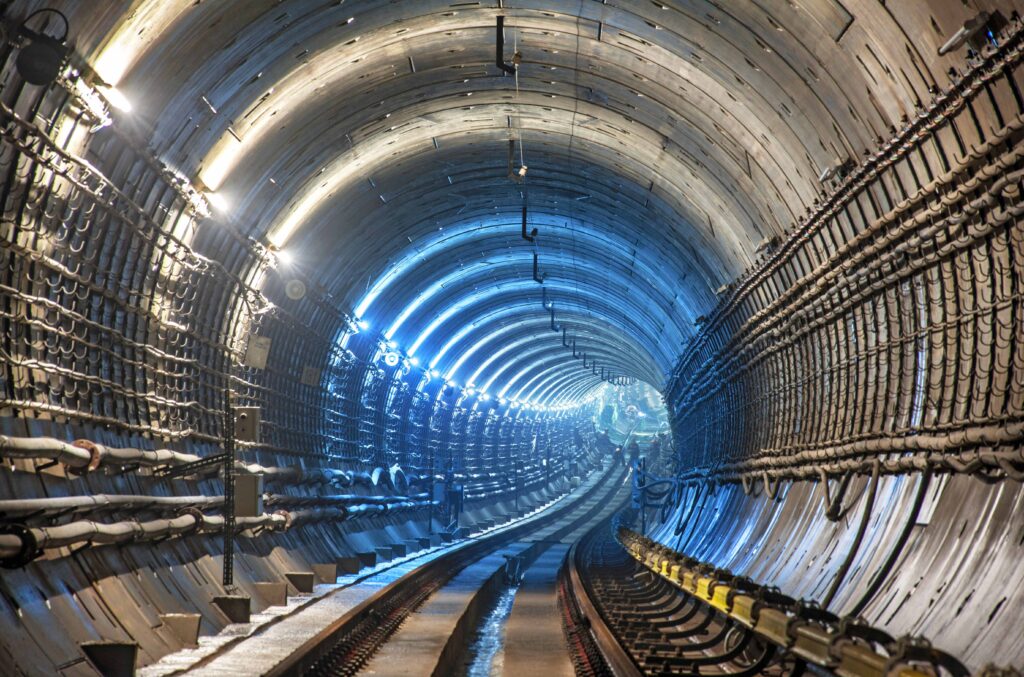
The Channel Tunnel is crucial for trains between the United Kingdom and Europe. It helps people and goods go, and there is also less need for ferries at sea in the same place. It also change little bit the transport in Kent area.
Trains from the tunnel connect with other rail systems; they go to London and big cities too. Around the Kent side of the tunnel, there are rail tracks, service places, and zones for transport control. This makes this place very important for moving things in southeast England.
Because of where it is and what it does, the Channel Tunnel in Kent is a big transport structure. It has a smart location, hard engineering and connects countries under the English Channel together. Very interesting for people who study transport.